
The DuPage Crisis Recovery Center
7 Ways DuPage County's New Mental Health Crisis Recovery Center Changes Everything for Local Families
When families face a mental health crisis, every minute matters. I've seen too many DuPage County residents struggle to find immediate help for their loved ones, bouncing between emergency rooms that weren't designed for behavioral health emergencies or dealing with law enforcement when what they really needed was compassionate, specialized care.
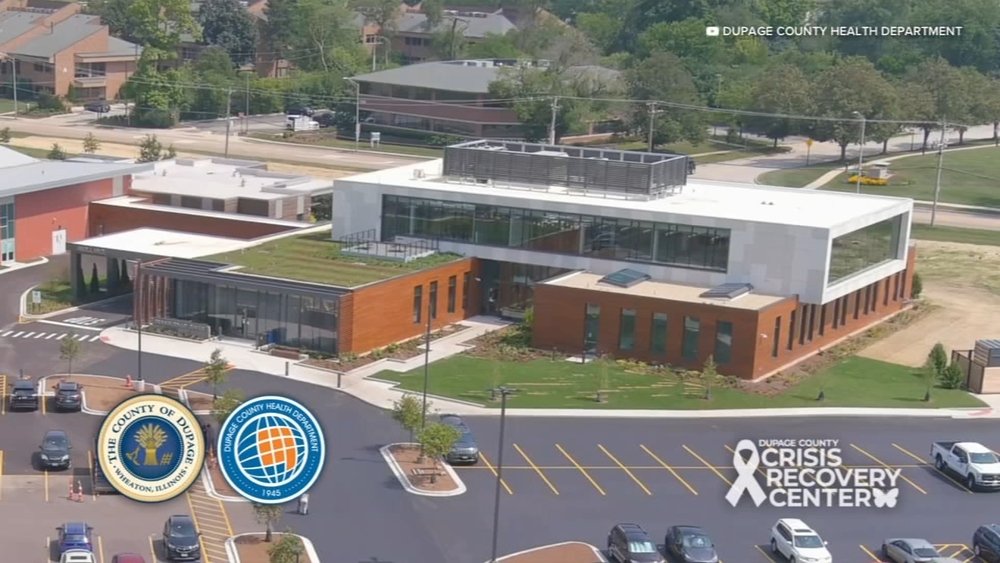
That's why I'm so excited about the game-changing resource that opened right here in our county in September 2025. The DuPage County Crisis Recovery Center isn't just another facility: it's a complete transformation of how we support families during their most difficult moments.
Here are seven ways this new center changes everything for local families.
1. No More Waiting: 24/7 Crisis Support When You Need It Most
Families get immediate help 24/7—no appointments, no insurance pre-authorization, no waiting weeks. Call (630) 627-1700 or walk in anytime for real-time, compassionate crisis care.[2][6] This removes the old ER-or-wait dilemma and gets families help when it matters most.
2. A Safe Haven Instead of Emergency Rooms and Jail Cells
Before the CRC, crises too often landed in ERs or with law enforcement—systems not built for behavioral health. The center offers a purpose-built space for stabilization and support, treating mental health as a health issue, not a crime.[2] Families now get care in a setting designed for healing.
3. Finally, One Place That Serves the Whole Family
We're the first in Illinois to provide crisis services for youth 5–17 and adults 18+ under one roof.[2][3] Families avoid bouncing between systems, and care teams see the whole picture together. For children under five, staff provide immediate assessment and connect families to early‑childhood specialists in the community.[6]
4. Real Professionals Who Understand Crisis Care
A team of 160 trained professionals—psychiatrists, psychiatric nurse practitioners, case managers, and peer support specialists—focuses solely on mental health and substance use crises.[2][3] Families receive crisis counseling, peer support, medication management, and withdrawal management in one place. It’s comprehensive care from people who know crisis work.
5. No More Dead Ends: Real Connections to Ongoing Support
No more “you’re on your own” discharges. The CRC provides warm hand‑offs to community resources before you leave, with a tailored plan for continued care.[2][6] Families walk out with connections, next steps, and momentum.
6. Taking Pressure Off Our Emergency Rooms
By diverting behavioral health and substance use crises from hospital ERs to a specialized facility, the CRC eases overcrowded departments and delivers more appropriate care.[2] Families get faster, better treatment—and hospitals can focus on the emergencies they’re built to handle. It’s a system‑wide win.
7. Massive Expansion of Our Community's Capacity to Help
At full capacity, the CRC can serve up to 42 people at once and about 15,000 individuals each year.[2][3] That’s a step‑change in access for DuPage families. We’re scaling care to meet real community need.
What This Means for Our Future
The Crisis Recovery Center represents exactly the kind of smart, compassionate investment I want to see more of in DuPage County. It's proof that when we prioritize mental health and treat it with the same urgency as any other health crisis, we can create real solutions that change lives.
As your representative on the County Board, I will continue fighting for resources like this that strengthen our safety net and support our most vulnerable residents. Because when we take care of each other, especially during the hardest times, that's when we build the kind of community we all want to live in.
The Crisis Recovery Center isn't just a building or a program: it's a promise. A promise that no family in DuPage County has to face a mental health crisis alone. A promise that help is always available, day or night. And a promise that our community values every person's wellbeing and dignity.
That's the kind of bold, compassionate leadership I bring to every issue, and it's exactly what we need more of on the County Board.
Sources:
[2] DuPage County Crisis Recovery Center official information
[3] Illinois Department of Human Services facility designation records
[6] DuPage County Health Department crisis services documentation
If you or someone you know needs crisis support, the DuPage County Crisis Recovery Center is available 24/7 at (630) 627-1700.
